

About Course
To watch the recordings, you will need to unlock the content by proving you have access to ISO 20387:2018.
In-depth training on the international standard “General Requirements for Biobanking, ISO 20387:2018”. This BBMRI-ERIC training programme is available as a series of 22 recordings in which the individual chapters of the standard are explained in terms of requirements, definitions and practical application.
The series is hosted by BBMRI-ERIC’s Head of Quality Management, Andrea Wutte. Read more below about the individual speakers and host.
🎙 Meet the Speakers
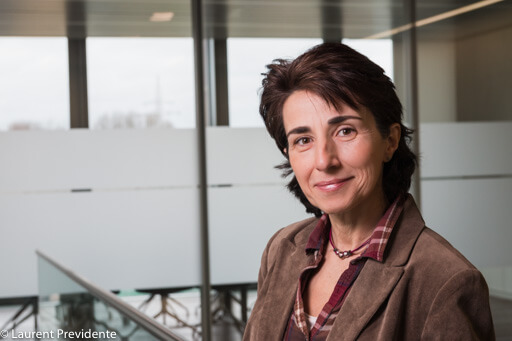
Fay Betsou
Chief Scientific Officer
Since February 2010 Dr Betsou is the Chief Scientific Officer at IBBL, where she is directing activities of the Biorefinery and Biospecimen Research laboratory. She is a molecular biologist with over 20 years of experience in molecular diagnostics, disease-oriented biobanking and biospecimen research, and 12 years of experience in ISO 9001 and ISO 17025 application to biobanks. Dr. Betsou holds 3 patents and is the author of 90 peer-reviewed publications, including many fundamental and experimental works on biospecimen research. After her PhD, Dr Betsou worked in the diagnostics industry on the development of molecular and immunological diagnostic tests in microbiology. She then became Head Laboratory Manager at a European biobank where she led the work bringing the biobank to ISO certification for all biobanking activities, including Quality Control and methods validation. She was the President of ISBER (International Society for Biological and Environmental Repositories) from 2013-2014. Additionally, she is chair of the ISBER Biospecimen Science Working Group and of the Proficiency Testing Advisory Group. Dr Betsou is currently Associate Professor at the University of Luxembourg and teaches biospecimen science and quality control in several biobanking training courses in Europe.
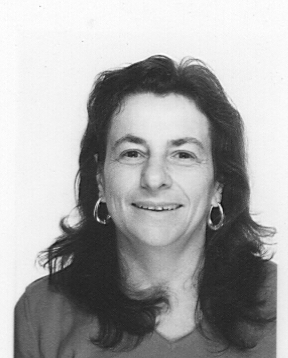
Elena Bravo
Senior Researcher
Elena Bravo is senior researcher at the Istituto Superiore di Sanità (Italian Public Health Institute). She holds a degree in biochemistry from the University “La Sapienza” in Rome, and a PhD in clinical chemistry; her research focused on metabolism of cholesterol, lipoproteins, and body lipid homeostasis. She managed several national and international collaborative projects in the fields of lipid metabolism, postprandial lipoprotein metabolism, cholesterol and triacylglycerol accumulation in liver and macrophage cells.
Since 2009 Elena Bravo has been contributing to the Italian participation in BBMRI. She is the delegate of the Italian Representative in European Assembly of Member of the legal consortium BBMRI-ERIC, member of the National Steering Committee and responsible for the Secretariat of BBMRI-Italy at the ISS. As an UNI member, she participates in the working group on “Biobanking and bioresources” of the ISO Technical Committee 276 on Biotechnology. She promotes the implementation of the best practices in biobanking management stimulating to fulfil the ISO 20387 requirements and best policies to contribute to the quality and sustainability of biobanks, such as quality principles adoption; adoption of stewardship as a model of biobank governance as well as the implementation of business plans by the biobanks and consistent citation of biobanks in research articles.
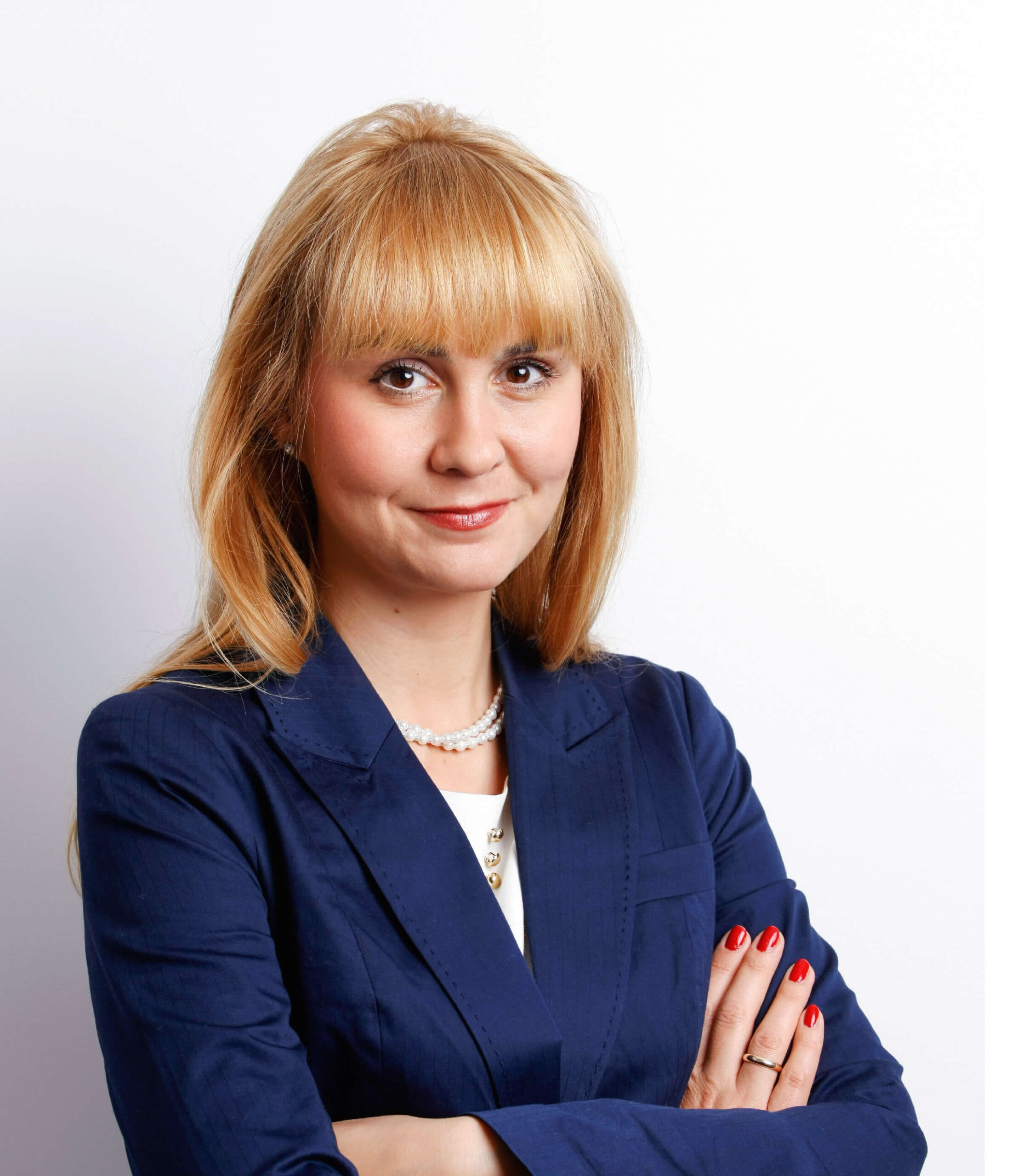
Dorota Krekora-Zajac
Legal Expert
Dorota Krekora-Zając is a partner in a law firm and an assistant professor at the Department of Comparative Civil Law Faculty of Law and Administration at the University of Warsaw. In 2013, she defended her PhD thesis entitled “The Right to Human Genetic Material”. She is the author of a monograph, articles and conference presentations about biomedical law, biobanking law, genetic data and gene editing. She is the director of the SONATA project called “Agreements on biobanking of human biological samples for research purposes” financed by Polish National Science Centre.
She works extensively on ELSI issues related to human biological samples. She is a member of the COST Action CHIP ME: Citizen health through public private initiatives and she works with Polish and European biobanks at the Polish Biobanking Network (BBMRI.pl) and BBMRI-ERIC. She co-created the code of conduct for processing personal for research purposes by Polish biobanks.
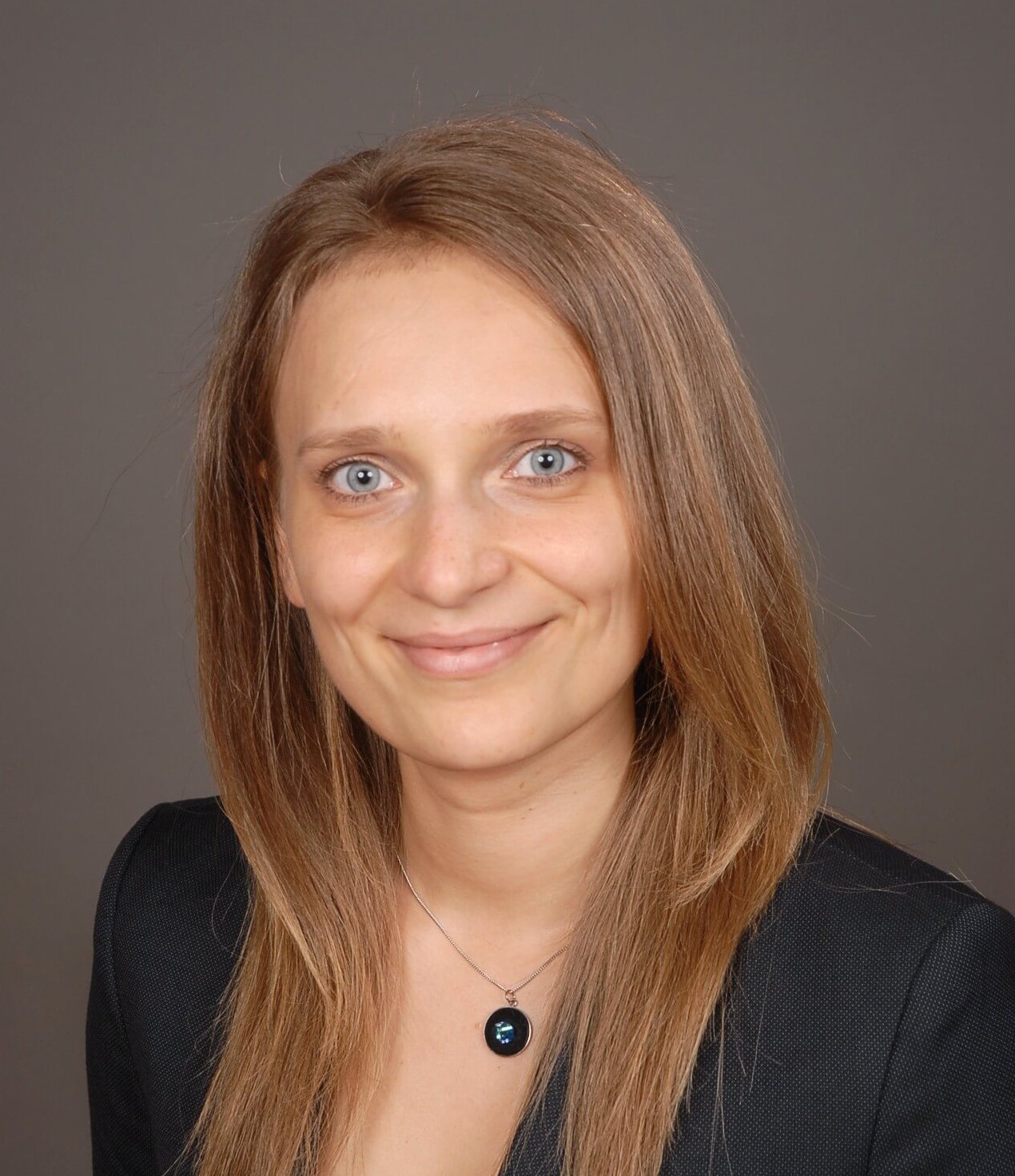
Lena Krieger
Secretary of ISO Technical Committee 276
Dipl.-Ing., Secretary of ISO Technical Committee 276 “Biotechnology” and ISO/TC 276/ Working Group 2 “Biobanks and bioresources”, and senior project manager at DIN (German Institute for Standardization) responsible for the development of medical and biotechnological standards. Mrs. Krieger was the Secretary of CEN Technical Committee 140 “In vitro diagnostic medical devices”,CEN/TC 140/Working Group 3 “Quality management in the medical laboratory” until February 2018. She participated in the FP 7 SPIDIA project and brought the research results obtained into European and international standardization. Mrs. Krieger also represented DIN in the Horizon2020 Projects SMARTDIAGNOS and SPIDIA4P, where she was in charge of the WP1 lead until February 2018.
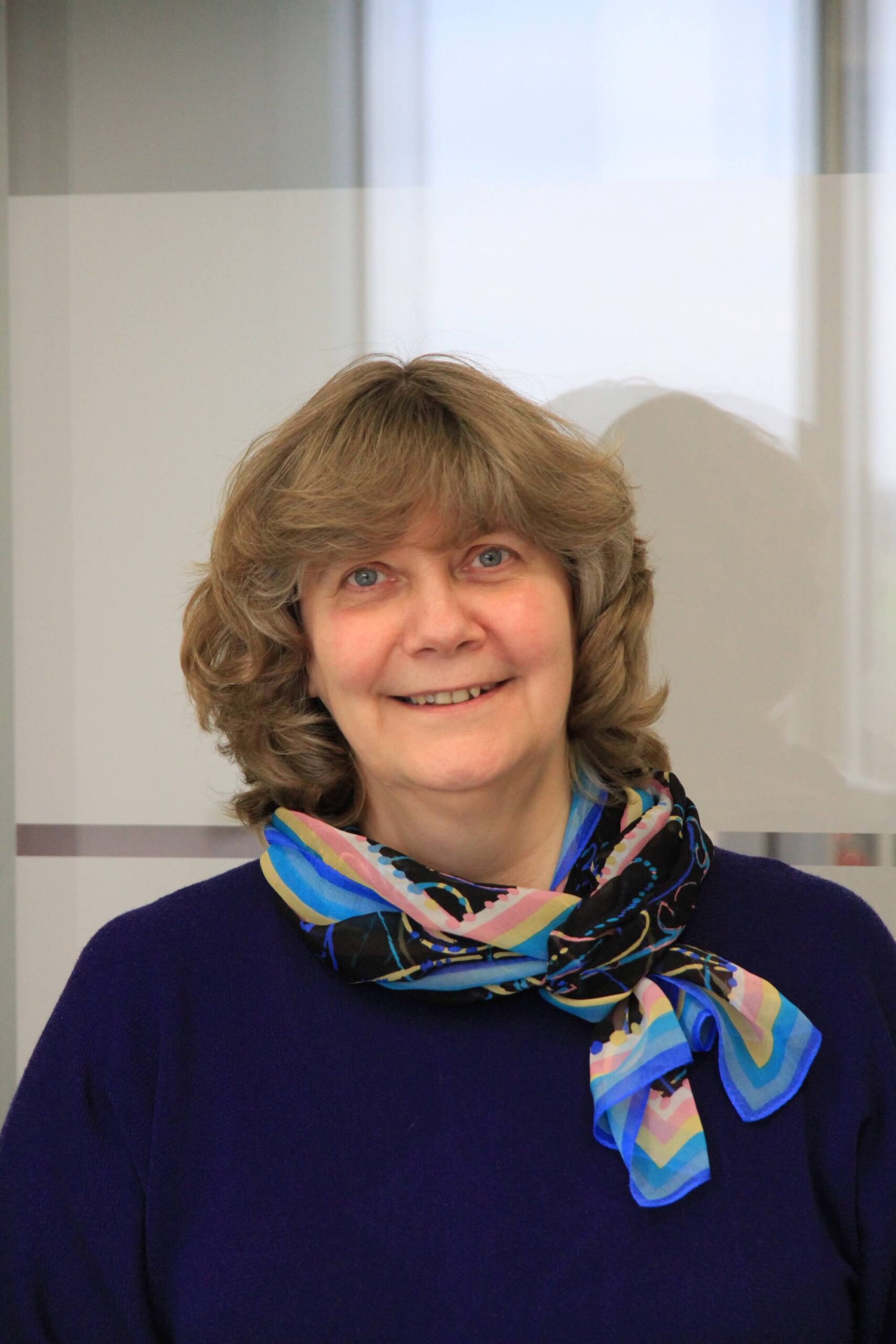
Sabine Lehmann
Quality Manager
Sabine Lehmann, PhD, has doctorate in chemistry with over 25 years of experience in operations and quality management in the biomedical field (GLP, GMP, GCP, GCLP, ISO 9001, ISO 17025, ISO 17043) in different European countries and organization types (pharmaceutical industry, CRO, biobank). She is an expert in ISO TC 276 (Biotechnology), co-project leader and active contributor for ISO 20387, involved in the elaboration implementation guide for ISO 20387 (TR 22358) and other “horizontal” standards in the field of biobanking. Quality Manager at IBBL (Integrated Biobank of Luxembourg), responsible for conceiving, implementing and maintaining the integrated quality system at IBBL in compliance with different ISO certification & accreditation norms and other sector-specific standards and guidelines (e.g. ISBER Best Practice…).

Dunja Martin
Quality Management Expert
Dunja Martin has been working with German biobanks in the human, plant, genomics and microbial domain since 2000. In this context she supports biobanks in certification and accredition schemes according to ISO standards as well as regulatory schemes according to legal frameworks. Since 2003 she has been responsible for the quality management at DSMZ (Leibniz Institute DSMZ-German Collection of Microorganisms and Cell Cultures) and since 2014 for the overarching compliance management, comprising the legal or normative regulated aspects of risk, governance, security and quality management.
Dunja Martin was a member of the OECD Task Force for the establishment of the Best Practice Guidelines for Biological Resource Centers and she is an expert and member of ISO Technical Committees, especially in the biotechnology and laboratory sector. At DIN Dunja Martin chairs the national technical committee for ISO/TC 276 Biotechnology. She is a member of the EU ESFRI project MIRRI Microbial Resource Research Infrastructure and she contributes to the establishment of the legal structure and legal documents for the operation of the RI as well as to the development of ABS and Biosecurity Policy and Best Practice Manuals. Dunja Martin provides expertise to regional courts in matters of product liability and legal compliant product development.t
Anabela Martins
QM Auditor and Consultant
Anabela is a researcher, auditor and consultant in the quality management field. She has been supporting certification and accreditation of biobanks (and other kinds of institutions) for more than 10 years. She is a pharmacist/chemist and is finishing her PhD in the biobanking field where she developed a standard for biobank certification. She has performed auditing for more than 15 years for certification bodies such as SGS and APCER. Anabela is a member of the Executive Board of the Word Federation of Culture Collections (WFCC) since 2017. She is an expert in the ISO Technical Committee 276 Biotechnology since its constitution in 2014. She actively participates in several ISO TC 276 working groups, having been directedly involved in the development of many international standards for biobanks and biotechnology. Anabela is the Quality Manager of Micoteca of Minho University (MUM), which is a fungi culture collection mainly dedicated to research in life sciences and biotechnology, including environmental, medical, and food fields.
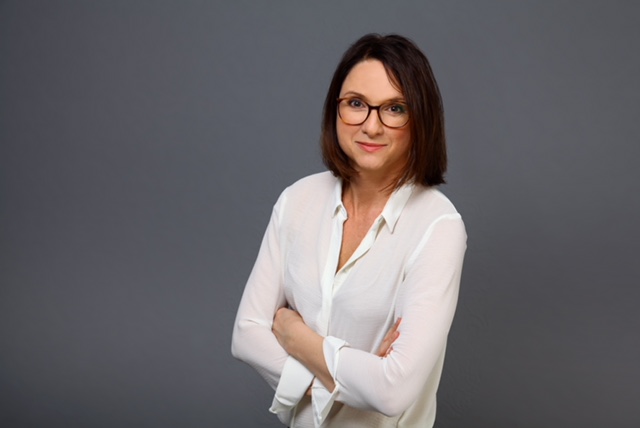
Bettina Meinung
QM Auditor
Bettina Meinung is QM-Auditor / Lead Auditor AQM-Auditor®-TÜV according to EOQ regulations. She is a certified quality manager and has introduced quality management systems in several internal and external institutes and clinics during her many years as Quality Manager at the Medical University Laboratories of the Friedrich Schiller University Jena and successfully completed more than 25 accreditations and certifications. In addition, as a self-employed consultant since 2010, she supports certification and accreditation projects in academic institutions, associations, industry, state authorities and biobanks. During her professional career, she dealt with the development of certification programs in the medical and REHA field; since 2015 she has been a member of the Technical Committee 276 Biotechnology of the International Organization for Standardization and in the BBMRI-ERIC QM expert groups. Since 2016 she is part of the German Biobank Alliance QM Core Team. She is a member of the German Society for Quality and a lecturer in the German Institute for Continuing Education of the DVTA.

Heimo Müller
IT Senior Scientist
Heimo Müller, PhD, studied Mathematics in Graz and Vienna, concluding with a thesis on data space semantics. He worked on data visualisation at Joanneum Research and participated as national expert in ISO/IEC JTC1 SC24 and SC29 and was document editor in SC24/WG7. He developed an interactive data exploration system for clinical data (GenView) and was within the FET flagship project IT Future of Medicine (ITFoM) responsible for ICT aspects of the medical platform. He participated in several EC funded projects (Biomedbridges, BBMRI-LPC, ESGI, BioShare, ADOPT) and is the PI of the BIBBOX, an open source platform for biobanking software developed by the BBMRI-ERIC common service IT and the H2020 project B3Africa.
Vincent Van de Perre
Quality Manager
Vincent Van de Perre is Quality Manager at BCCM (Belgian Coordinated Collections of Microorganisms), where he leads the quality cell and coordinates the multi-site ISO 9001 quality management system. BCCM is a consortium of seven microbial biological resource centres, funded by the Belgian Science Policy Office (BELSPO). Vincent also represents Belgium as an expert within the technical committee “ISO/TC 276 Biotechnology” and gives training/advice regarding quality affairs. Vincent has a master’s degree in Bio-Engineering Sciences: Cell and Gene Biotechnology. In 2011 he obtained his PhD in Bioscience Engineering. Before working for BCCM (2014), Vincent was a quality manager/consultant for the food industry. During his career he developed the following expertise: standardization (ISO 9001, ISO 15189, ISO 17025, ISO 20387 + BRC and IFS (food industry)), risk analysis (ISO 31010), quality- and lean management.
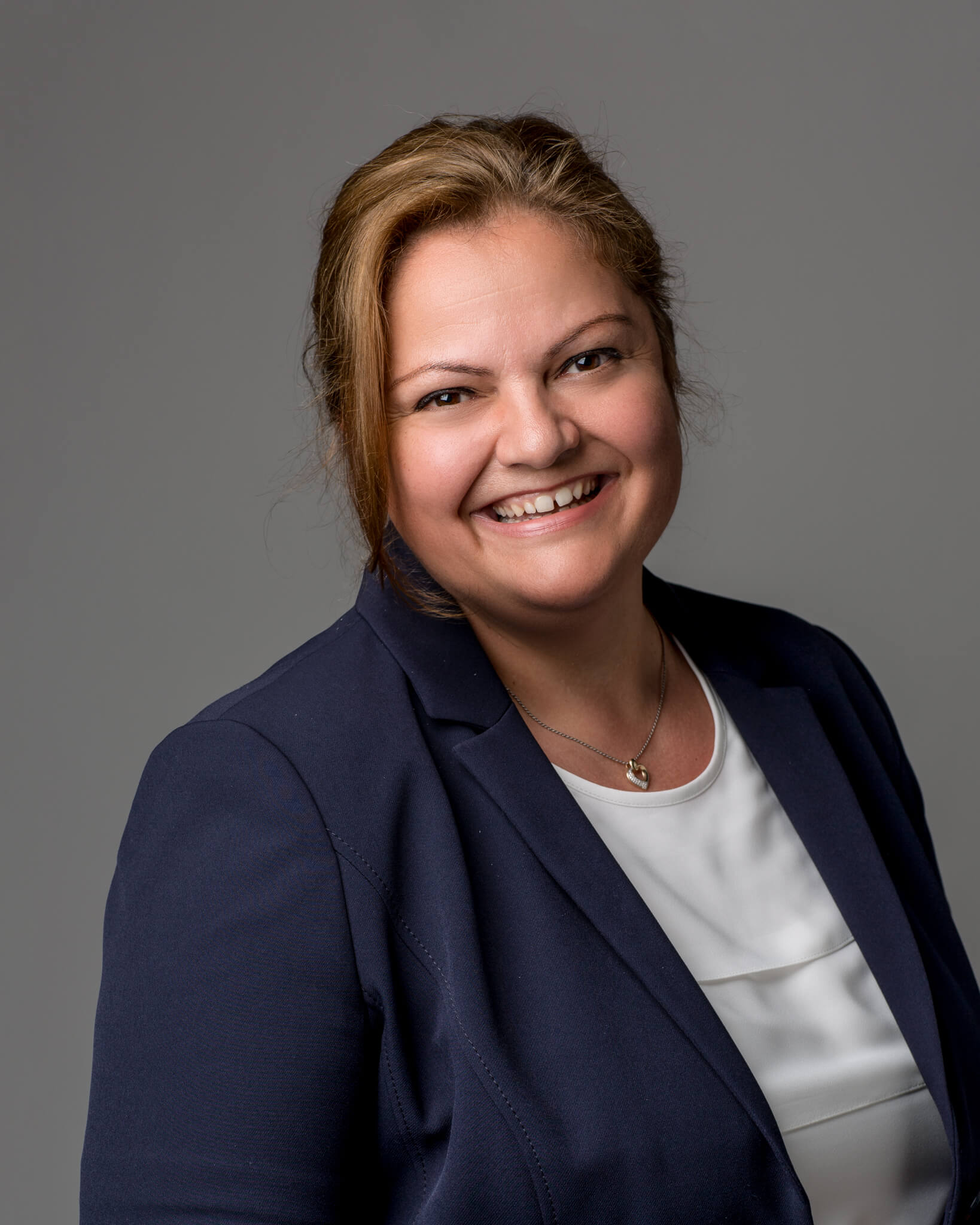
Andrea M. Wutte
Series Host / Quality Management Expert
Andrea Wutte has been leading BBMRI-ERIC Quality Management team since 2014. The service includes QM consultancy programmes for biobank relevant standards and guidelines, monitoring and audit programmes, training and education formats, assessments and the initiation of improvement strategies, and/or actions and accompanying measures. She acts as a BBMRI-ERIC Liaison Officer to ISO/TC 276 Biotechnology and ISO/TC 212 Clinical laboratory testing and in vitro diagnostic test systems. Andrea started her academic career as a research assistant in the field science of endocrinology and metabolism at the Medical University of Graz. As clinical quality manager she was responsible for the establishment of a comprehensive QM system for clinical trials, according to ethically and legally binding principles and laws. From 2004 to 2009 she was responsible for the Clinical Research Centre of the Center for Medical Research at the Medical University of Graz and designed and lectured several ICH-GCP workshop series for researchers and the industry. In 2009, Andrea stepped out of academia to make her contributions to the cluster Human.technology Styria, where she had been recruited as senior consultant to manage the Styrian regional development as well as to lay the foundations for businesses in the field of biobanking and biomarker technology within the defined economic and strategic aims of the cluster. She represented the business at international congresses and conventions. She contributed her quality management experience to lead the cluster, focused on interface management with stakeholders and certifications according to ISO 9001 and 29990.
Course Content
Quiz: To watch the recordings, you need to unlock the content by proving you have access to ISO 20387:2018.
-
Quiz: To watch the recordings, you will need to unlock the content by proving you have access to ISO 20387:2018. Have a copy of your standard available to answer the question.